

Protected formulation. Observable physics.
The public explanation stays at the boundary of observable physics: fuel treatment before ignition, combustion response inside the engine, measured results through the NTROPYX proof chain.
Virgo
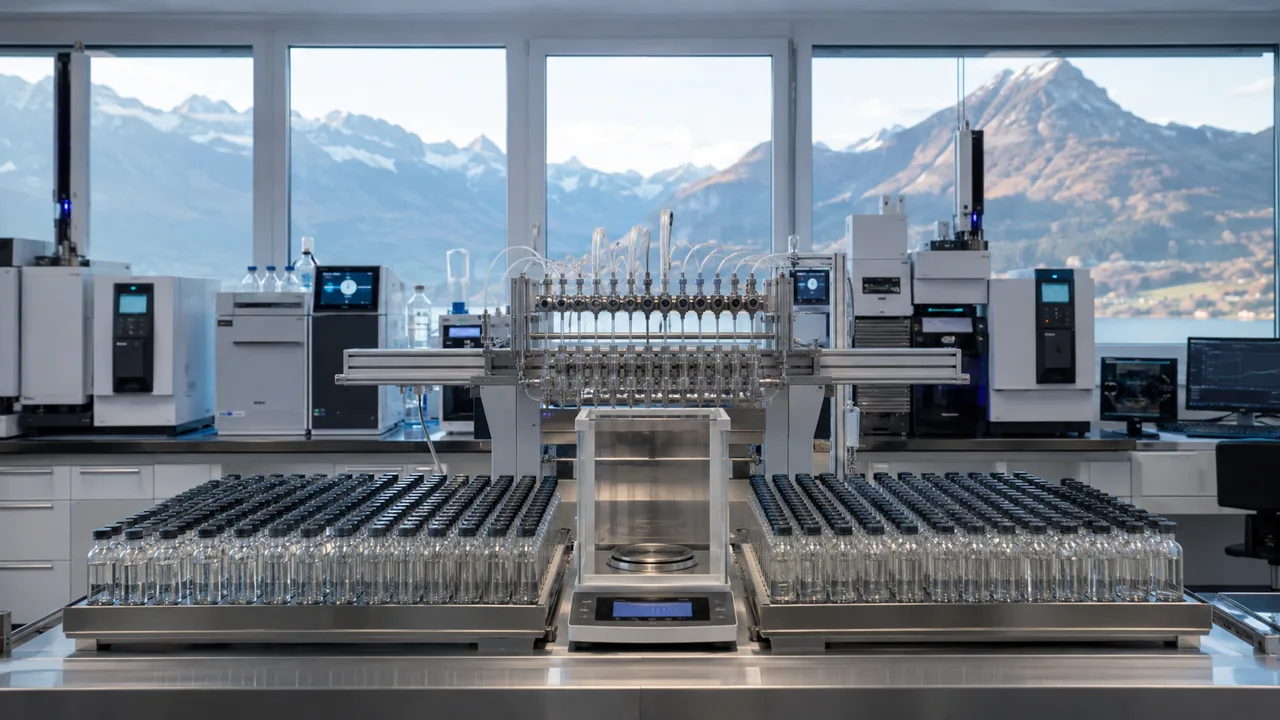
Virgo Global Energy SA develops, produces and sells NTROPYX from Switzerland, with one physical objective: improve the conditions under which fuel availability is converted inside real engines.

NTROPYX brings combustion closer to its useful efficiency, without adding a conventional additive and without modifying the engine.
8–12% less fuel, in documented cases
Up to 70% fewer emissions
Observable science. Protected formulation.
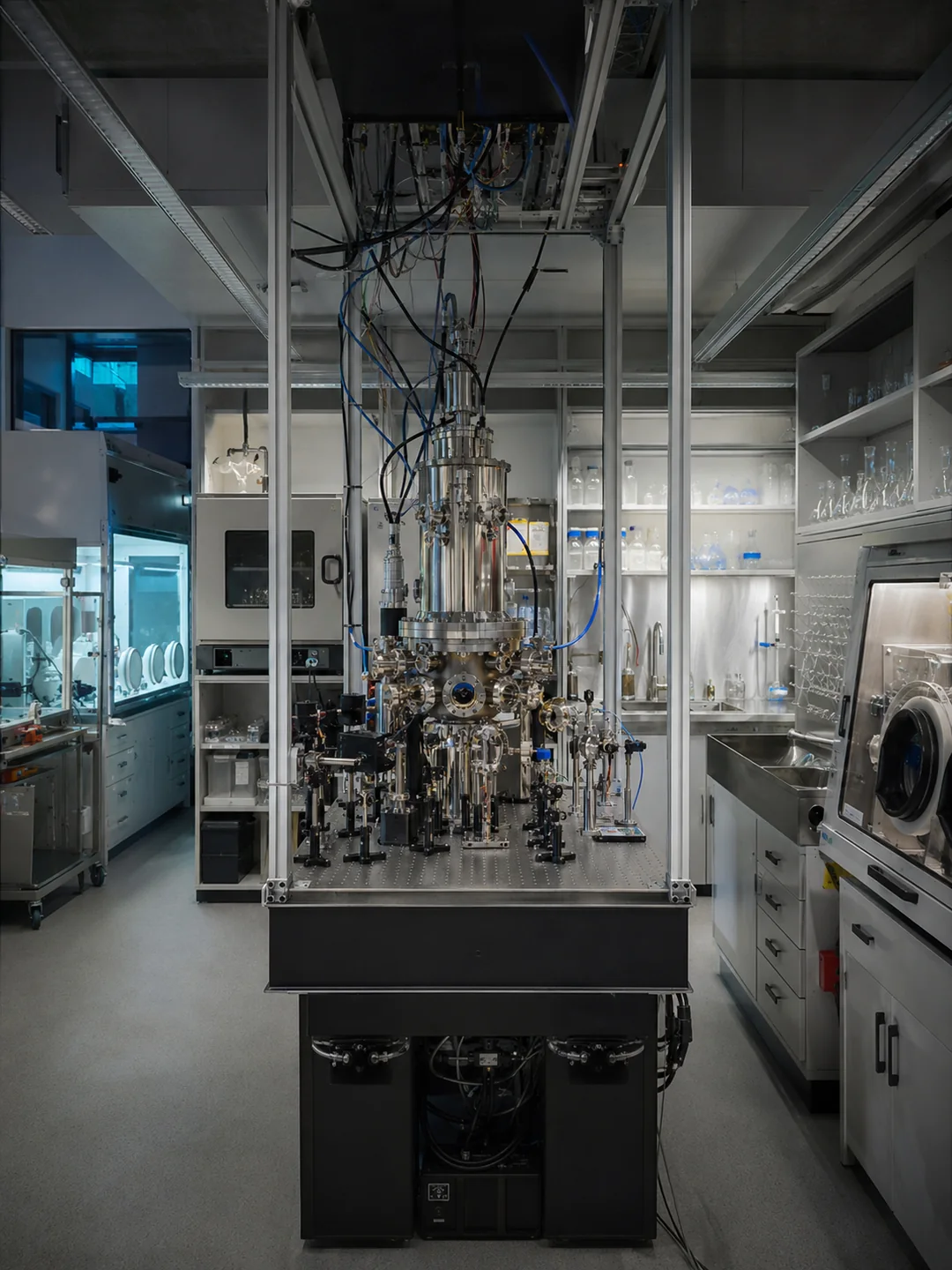
Where fuel becomes work, heat, exhaust and loss.
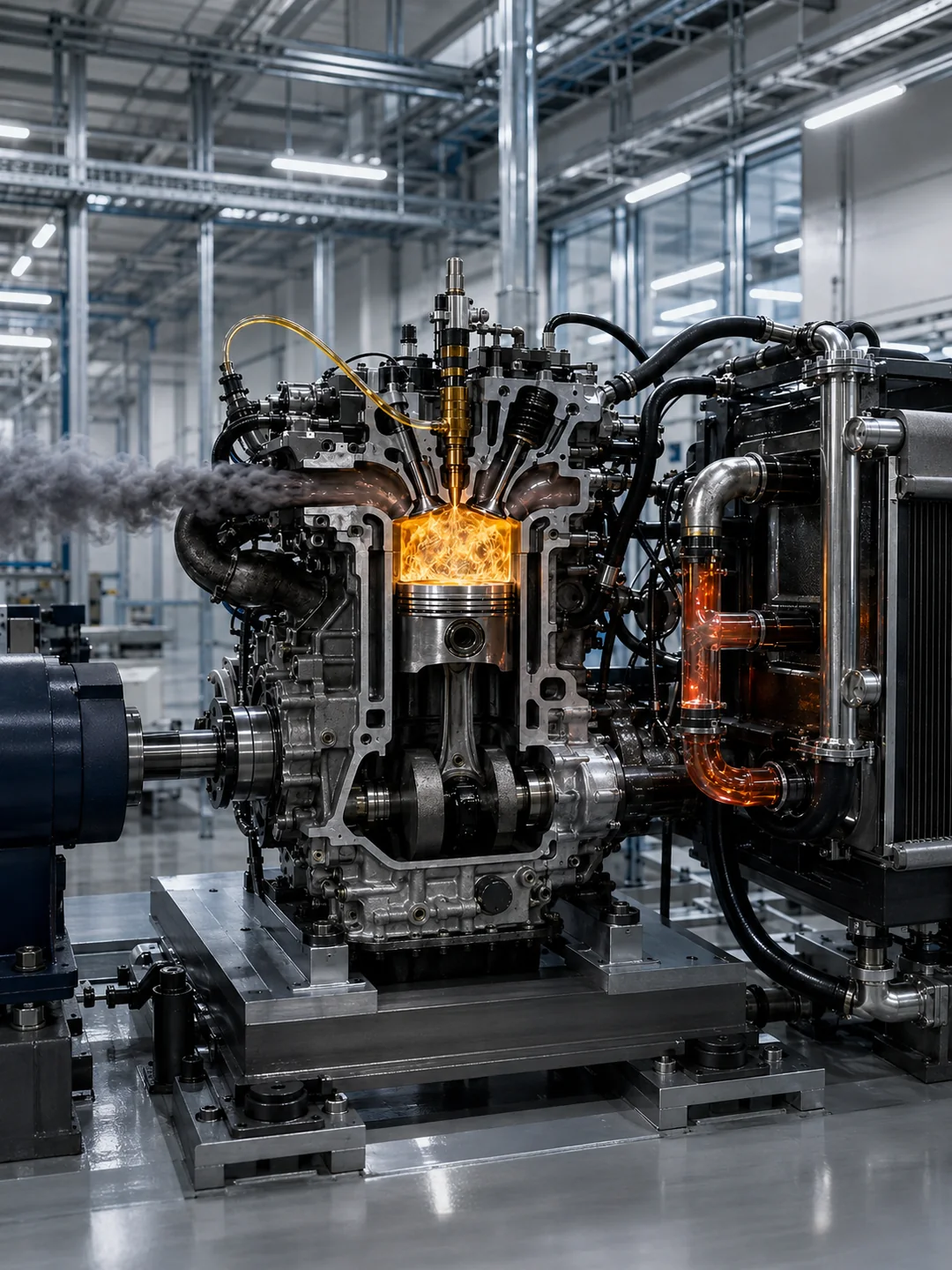
Protected formulation. Observable consequences.
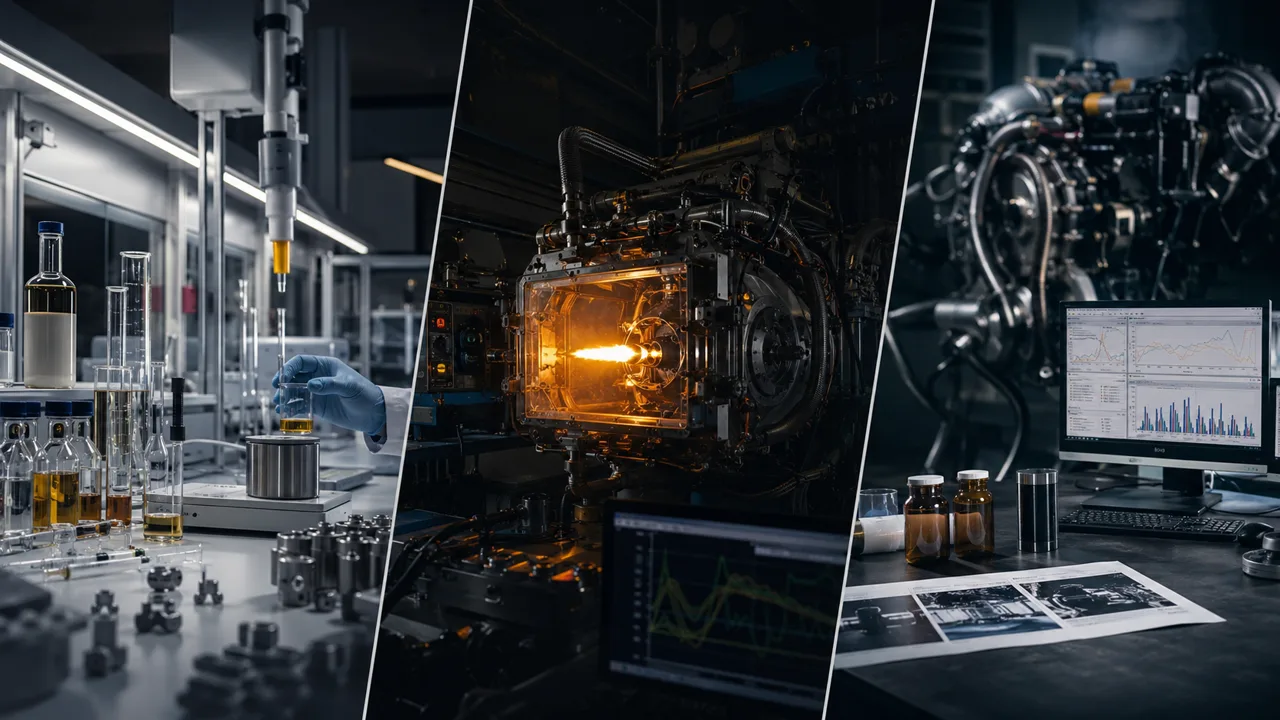
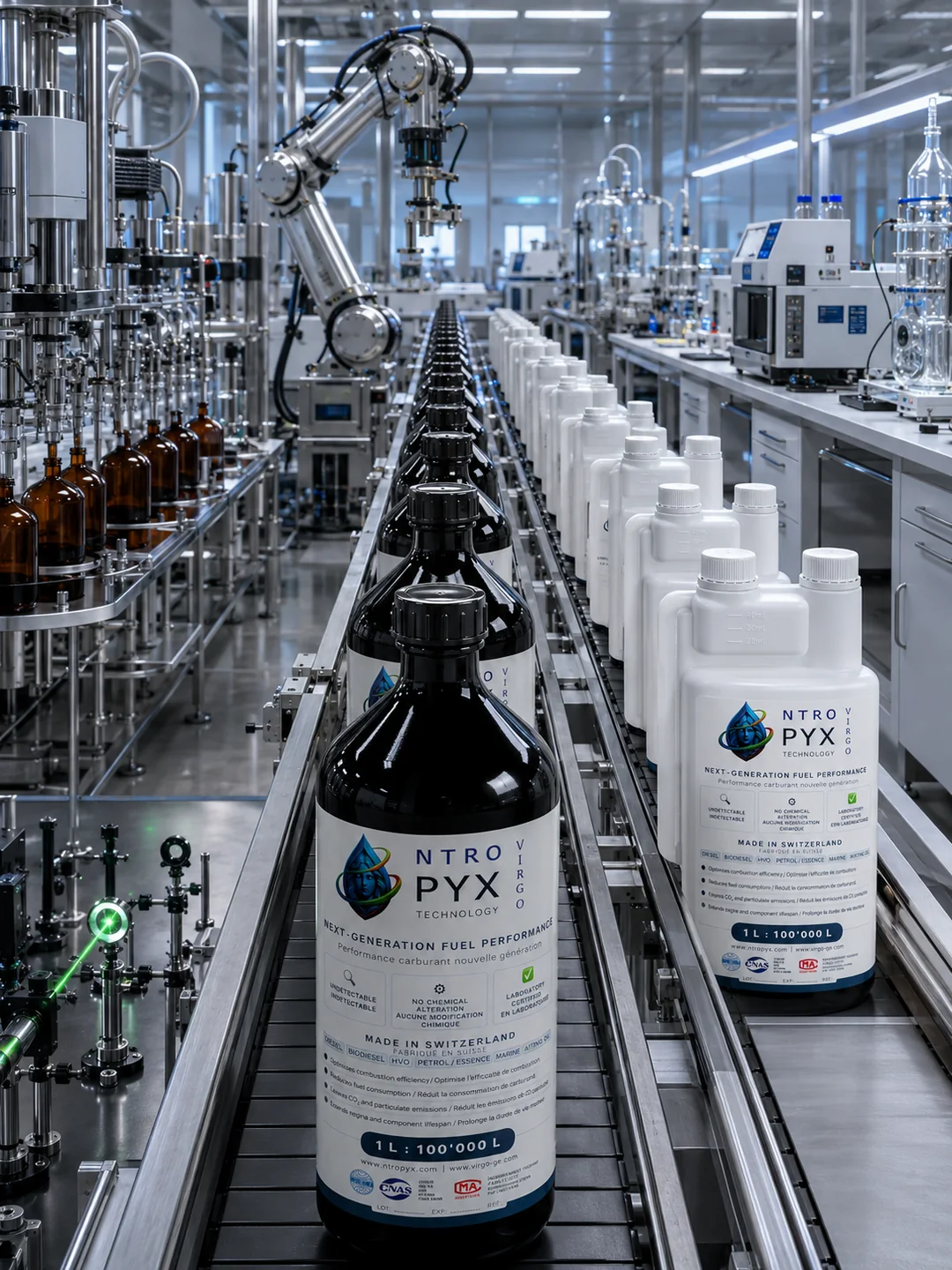
The formulation must survive the factory.
Traceable product, not anonymous supply.
Evidence chain before persuasion.

Virgo does not claim to reverse thermodynamics. In an engine, the relevant question is sharper: how much of the fuel's chemical availability is destroyed by irreversible combustion instead of becoming useful cylinder pressure?
Second-law position
Energy quantity is conserved.Energy quality is lost through irreversibility.Virgo works on avoidable entropy generation.
The proprietary formulation remains confidential.
The public explanation stays at the boundary of observable physics: fuel treatment before ignition, combustion response inside the engine, measured results through the NTROPYX proof chain.
A formulation only matters if every batch respects the same discipline: controlled sourcing, concentration, filling, documentation and traceability from Switzerland.
One company takes NTROPYX from the laboratory to the client: Virgo Global Energy SA.
The Swiss laboratory develops the formulation and studies how it changes combustion. The formulation stays protected.
Concentration, blending, filling and batch documentation follow one Swiss production discipline.
Virgo Global Energy SA sells NTROPYX around the world and speaks with each client directly.
NTROPYX brings combustion closer to its useful efficiency, without adding a conventional additive and without modifying the engine.
8–12% less fuel, in documented cases
Up to 70% fewer emissions