
Fuel input for equal work.
When more chemical availability survives as useful pressure, the same operating task can be measured against lower fuel input.
Laboratory
Virgo Global Energy SA frames NTROPYX through thermodynamics, combustion observation, formulation discipline and measurable engine behaviour.
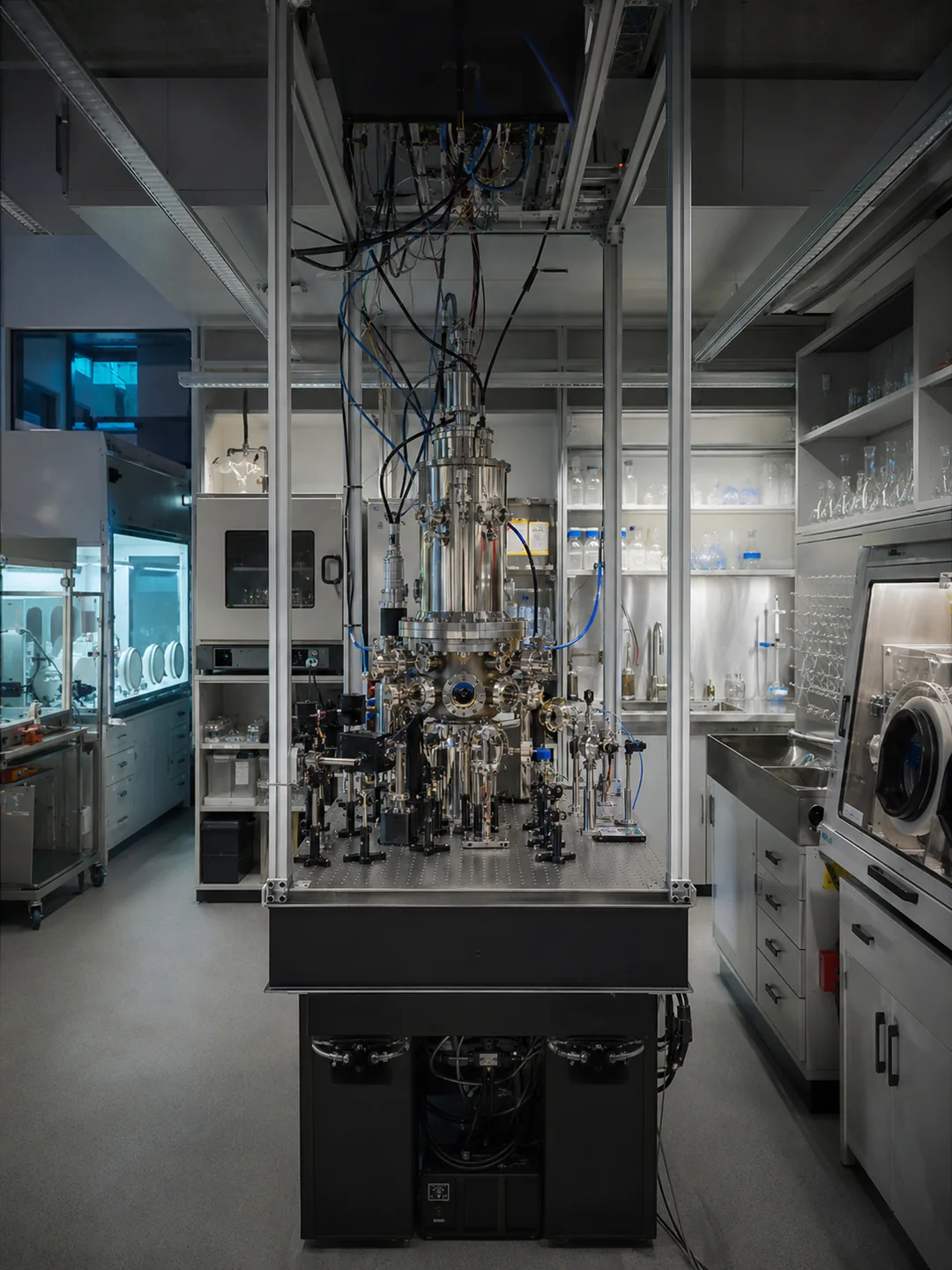
Scientific note
The thermodynamic framework behind NTROPYX, Virgo’s claims in refutable form, and the protocol an independent laboratory can use to check them. The nature of the intervention stays protected.

Second law
Virgo does not claim to create energy. The scientific question is how much fuel availability is destroyed by avoidable irreversibility during combustion.
In a combustion engine, fuel energy is accounted for as work, heat rejection, exhaust energy, friction and chemical residues. Entropy generation describes the degradation of energy quality: the part of fuel availability that cannot become useful cylinder pressure.
The chemical energy does not disappear. It leaves the system as useful work, heat rejection, exhaust energy, frictional loss and chemical residues.
Entropy generation measures the quality loss of energy conversion. More irreversible combustion means less recoverable work from the same fuel.
Heat rejection carries fuel availability away before it becomes shaft work.
Exhaust energy and incomplete oxidation leave measurable value outside the power stroke.
Cycle instability and unburned hydrocarbons signal avoidable combustion disorder.
The engineering target is cleaner conversion: fewer incomplete oxidation pathways, steadier burn behaviour and less availability destroyed before useful pressure is formed.
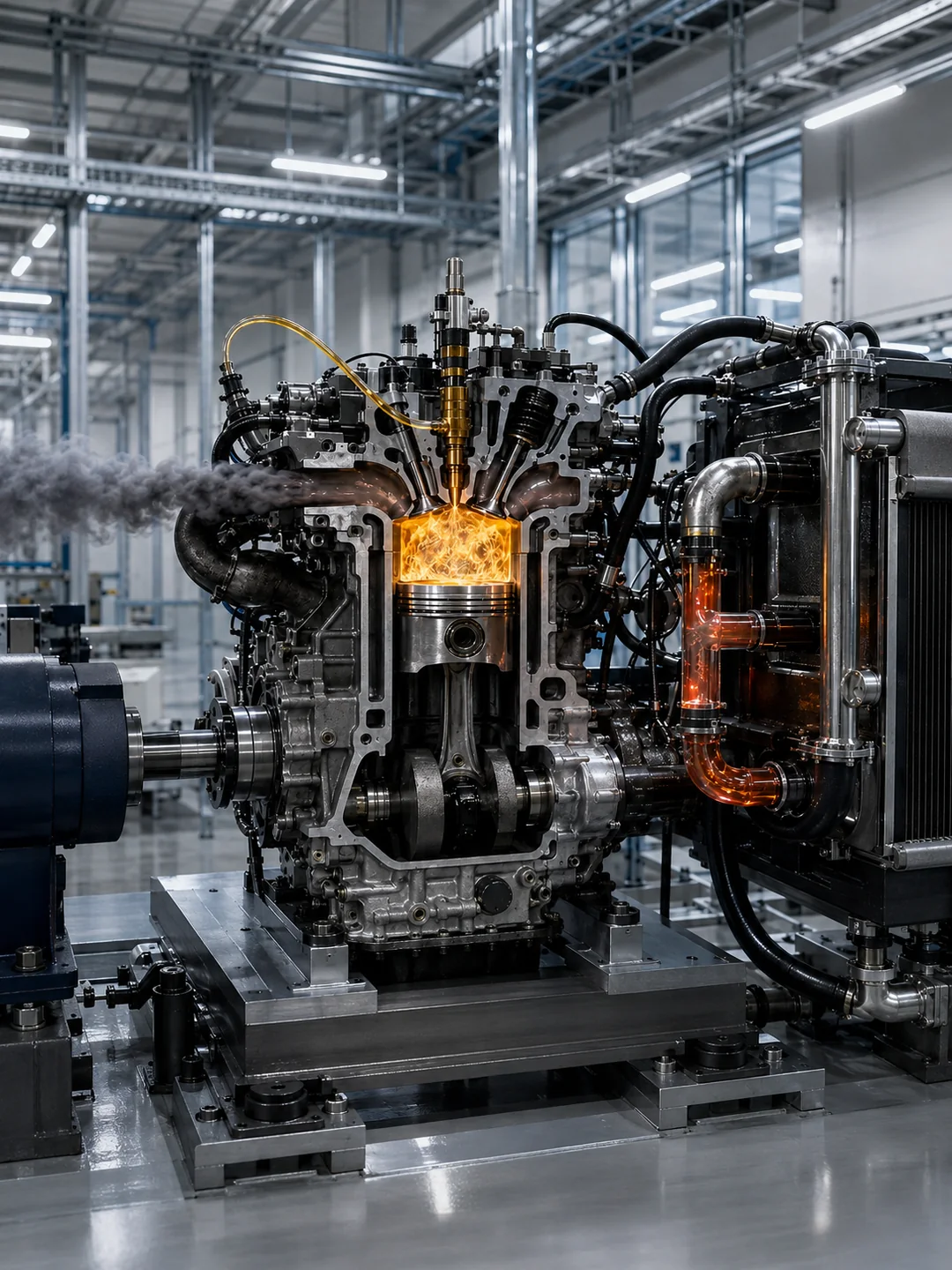
Work on avoidable loss, never against physics.
The method is communicated through what can be inspected: preparation before ignition, combustion response inside the engine, and documented results after operation.
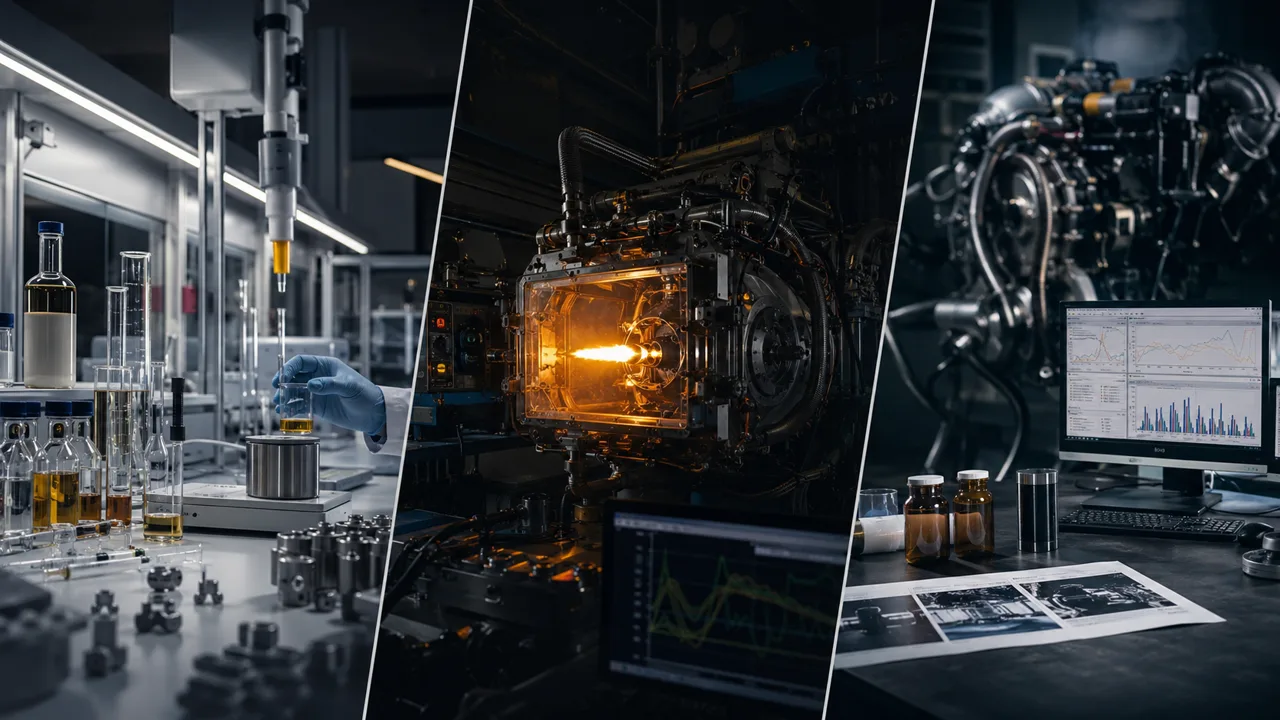
Virgo controls formulation discipline, concentration logic and batch consistency before the treated fuel reaches the combustion chamber.
The observable target is cleaner conversion: less avoidable disorder, improved oxidation completeness and more stable energy release under operating conditions.
The effect is judged through fuel use, exhaust signature, torque behaviour and independently documented NTROPYX evidence.
The public explanation stops at measurable physics. Proprietary formulation details remain confidential.
Virgo defines the scientific domains to observe. Field records, quantified results and product proof remain on the NTROPYX platform.
When more chemical availability survives as useful pressure, the same operating task can be measured against lower fuel input.
More complete oxidation can be observed through the fraction of fuel leaving as unburned or partially burned residue.
A cleaner conversion path can reduce cycle-to-cycle waste and support steadier torque behaviour.
Virgo explains origin and science. Measured field and laboratory records remain on the NTROPYX proof ledger.